

- Published on 2024-09-23
- 8 minutes read
To understand loot box legislation trends, along with the gaming license cost and regulations, let’s start with the definition of a loot box. Loot boxes are game boxes containing random in-game items purchased with real money. To rephrase, the player initially does not know exactly what they will receive as part of the purchase. They may receive a random in-game item that is either equal to the purchase amount or less or more than the purchase amount.
Loot boxes are not regulated by any one general law or regulation. For instance, the requirements for the Tobique gambling license are certainly not identical to those for the Chinese or Korean authorization. As such, each country or jurisdiction has its own laws regarding loot boxes, allowing it to determine on a case-by-case basis whether this type of in-game monetization falls under local gambling laws or not. Thus, whether you seek to obtain the Anjouan gambling license, the Saint Kitts and Nevis gambling license, or the permit in any other popular destination, it’s critical to stay updated on the latest regulatory standards applicable to your scope of operations.
China
Japan

South Korea
Netherlands
United Kingdom
A House of Lords committee has recommended that loot boxes be included under the UK Gambling Act.
A July 2022 report said that after careful consideration, the government does not intend to amend gambling regulations to cover loot boxes.
This intention was based on the fact that while loot boxes have similarities to traditional gambling, the ability to legally cash out rewards is different. As a general rule, loot box rewards have no real monetary value outside of the game and are primarily used to enhance the gaming experience.
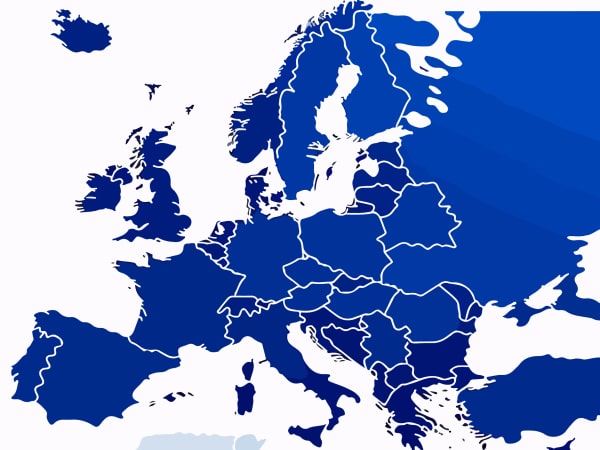
In Europe, gambling is regulated at the national level. As a result of lootbox law disparities, there is no uniform approach to regulating loot boxes in European countries.
In January 2023, the European Parliament adopted a report calling for the harmonisation of EU rules to better protect players in the online video gaming sector, including in relation to loot boxes. The Parliament emphasised that consumers should be fully informed about the existence of in-game purchases, such as loot boxes and other random in-game purchases, and should be aware of their content.
France
Belgium

Spain
Germany
Poland